
Home of Hepatology7 rue Daubin1203 GenevaSwitzerland+41 22 807 03 60easloffice@easloffice.eu© 2025 EASL. All rights reserved.Website by Soto.Privacy Policy | Cookie Policy | Terms & Conditions | Cyber Security Explore offerUnlock the full potential of being part of the EASLcommunity. As a member, you’ll gain access toexclusive resources, reduced event fees, top-tierjournals, and professional development opportunitiesdesigned to support your career in hepatologyBecome a memberNurses & Allied Health ProfessionalsLink titleYoung InvestigatorsLink titleBasic ScienceLink titleTitle here Lorem ipsum At the heart of EASL is a diverse and dynamic international community of professionals dedicated to advancing hepatology.Discover how you can get involved and make an impact.Whether you're a member, a Young Investigator, a nurse or allied health professional, or focused on basic science, there's a place for you here. Explore the different pathways to connect, grow and contribute, from membership benefits to tailored programmes and scientific networksLorem ipsum dolor sit ipsum CommunitySign In / Sign UpResourcesWhat We DoAbout Us Partnerships

Publications

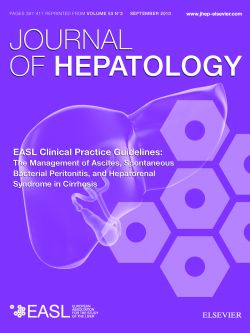
Management of Ascites, Spontaneous Bacterial Peritonitis, and Hepatorenal Syndrome in Cirrhosis

EASL has published clinical practice guidelines for the management of ascites, the most common complication of cirrhosis.

The peer-reviewed guidelines are available in the September 2010 issue, (Volume 53, No.3) of the Journal of Hepatology and online CPGs. They will also provide recommendations for the management of spontaneous bacterial peritonitis (SBP) and hepatorenal syndrome, which often affect patients with cirrhosis.

“It is estimated that almost 60 percent of cirrhotic patients develop ascites within 10 years of their disease, which is a huge proportion of patients. These guidelines provide clinicians with the latest recommendations from a panel of experts on the management of ascites, SBP and hepatorenal syndrome. It is hoped that the guidelines will improve and facilitate best practice and ultimately improve disease outcomes and symptoms for cirrhotic patients in the future,” stated Pere Ginès, lead contributor of the guidelines.

Scroll to Top

Search EASL