
The EASL School 2026 “The Spatial Biology of Liver Disease” is a specialized Basic Science School designed to train scientists at different career stages in the cutting-edge field of spatial biology for liver disease research. This immersive programme explores how spatial omics technologies – including single-cell and multiplexed tissue imaging – uncover the complex cellular interactions driving liver pathology and progression.
Participants will gain hands-on experience with advanced spatial tools such as Hyperion, CosMx/GeoMx, and MALDI imaging, engage in a unique Spatial Liver Biology Hackathon, and receive tailored project feedback from leading experts. Through interactive keynote lectures, small-group lab sessions, and collaborative problem-solving, attendees will develop critical skills in spatial profiling, computational data analysis, and clinical translation.
This highly interactive and multidisciplinary event offers an invaluable opportunity to advance research in hepatology, establish collaborations, and apply spatial approaches to tackle major challenges in liver disease.
School Organisers:
- Saskia van Mil
- Yvonne Vercoulen
- Kristof Van Avondt
Please note that the programme is subject to change, and will be updated continuously up to the school event.
Aims
This EASL School is dedicated to advancing spatial biology in liver disease research by:
- Bridging Basic Science and Clinical Research – Integrating cutting-edge spatial omics technologies to deepen understanding of liver pathology and guide future therapeutic strategies.
- Empowering Scientists with Hands-On Training – Providing practical experience with state-of-the-art spatial tools (Hyperion, CosMx/GeoMx, and MALDI imaging) to enhance research capabilities in hepatology.
- Driving Innovation through Multidisciplinary Collaboration – Encouraging researchers from diverse backgrounds to work together in a Spatial Liver Biology Hackathon, tackling key challenges in liver disease.
- Advancing Computational and AI-Driven Data Analysis – Equipping participants with the latest bioinformatics and AI tools to analyze complex spatial and single-cell datasets.
- Building a Stronger Research Community – Connecting participants with leading experts for knowledge exchange, networking, and personalized project feedback to foster career growth.
This programme aims to inspire breakthroughs in liver biology and precision medicine by equipping researchers with the skills and knowledge to push the field forward.
Learning objectives
- Master Cutting-Edge Spatial Technologies – Gain hands-on experience with advanced spatial tools like Hyperion, CosMx/GeoMx, and MALDI imaging for in-depth analysis of liver biology at the cellular and molecular levels.
- Apply Spatial Omics to Liver Disease Research – Understand how spatial profiling and multi-omics approaches can provide insights into liver pathology, disease progression, and potential therapeutic interventions.
- Develop Computational Skills for Spatial Data Analysis – Learn how to integrate and analyze large-scale spatial and single-cell datasets using AI-driven tools and computational methods.
- Engage in Multidisciplinary Collaboration – Participate in an interactive Hackathon, working in diverse teams to solve challenges in liver biology using spatial omics data.
- Network with Leading Experts and Receive Personalized Feedback – Connect with top researchers in the field, present your own projects, and gain valuable insights to advance your career in hepatology and spatial biology.
Top 3 reasons to attend
- Hands-on Training with Cutting-Edge Spatial Technologies. Gain practical experience with state-of-the-art spatial tools, including Hyperion, CosMx/GeoMx, and MALDI imaging, to explore liver biology at an unprecedented level of cellular resolution and spatial organization.
- Collaborative Hackathon for Problem Solving. Participate in an interactive hackathon focused on critical questions in liver biology, working in multidisciplinary teams to foster creativity, cross-disciplinary insights, and networking.
- Direct Access to Leading Experts and Personalized Project Feedback. Engage with top scientist in spatial biology and liver disease, receiving tailored feedback on your research projects to refine your approach and advance your career.
Target audience
- MD/PhD Students and Postdoctoral Fellows – Early-career researchers looking to apply spatial approaches to study liver disease and gain hands-on experience with cutting-edge technologies.
- Basic and Translational Scientists – Researchers specializing in liver biology, spatial omics, and computational data analysis who want to expand their expertise in spatial technologies.
- Hepatologists and Clinical Scientists – Medical professionals and clinical researchers interested in leveraging spatial biology to better understand liver disease and its impact on clinical interventions.
Meet the organisers

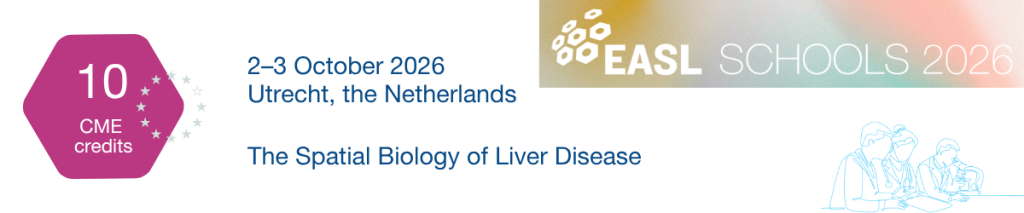
The EASL School – The Spatial Biology of Liver Disease, Utrecht, Netherlands 02/10/2026 – 03/10/2026 has been granted 10.0 European CME credits (ECMEC®s) by the European Accreditation Council for Continuing Medical Education (EACCME®). Each medical specialist should claim only those hours of credit that he/she actually spent in the educational activity.
Through an agreement between the Union Européenne des Médecins Spécialistes and the American Medical Association, physicians may convert EACCME® credits to an equivalent number of AMA PRA Category 1 CreditsTM. Information on the process to convert EACCME® credit to AMA credit can be found at https://edhub.ama-assn.org/pages/applications
Live educational activities, occurring outside of Canada, recognised by the UEMS-EACCME® for ECMEC®s are deemed to be Accredited Group Learning Activities (Section 1) as defined by the Maintenance of Certification Program of the Royal College of Physicians and Surgeons of Canada.
EASL Schools of Hepatology
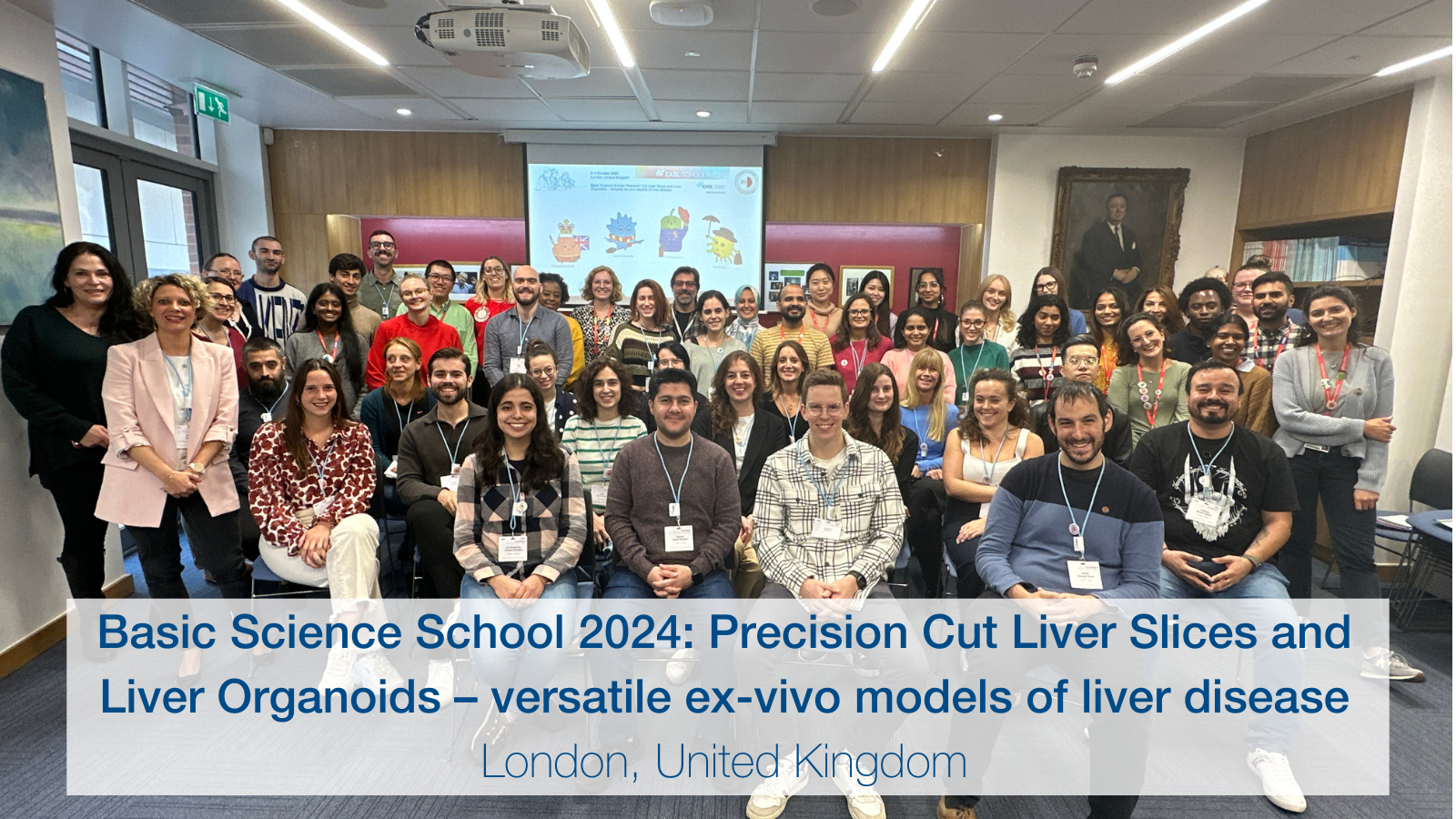
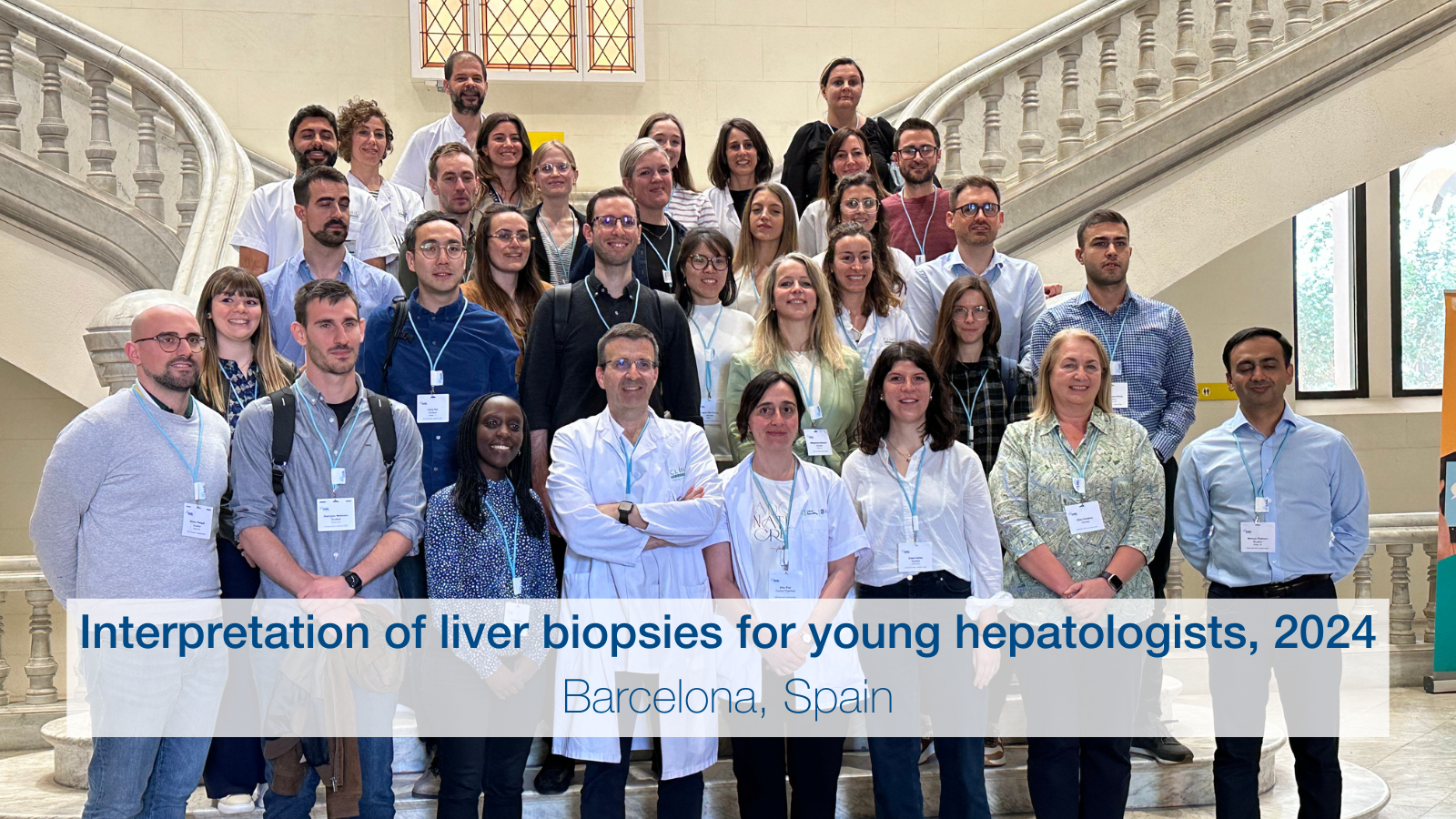
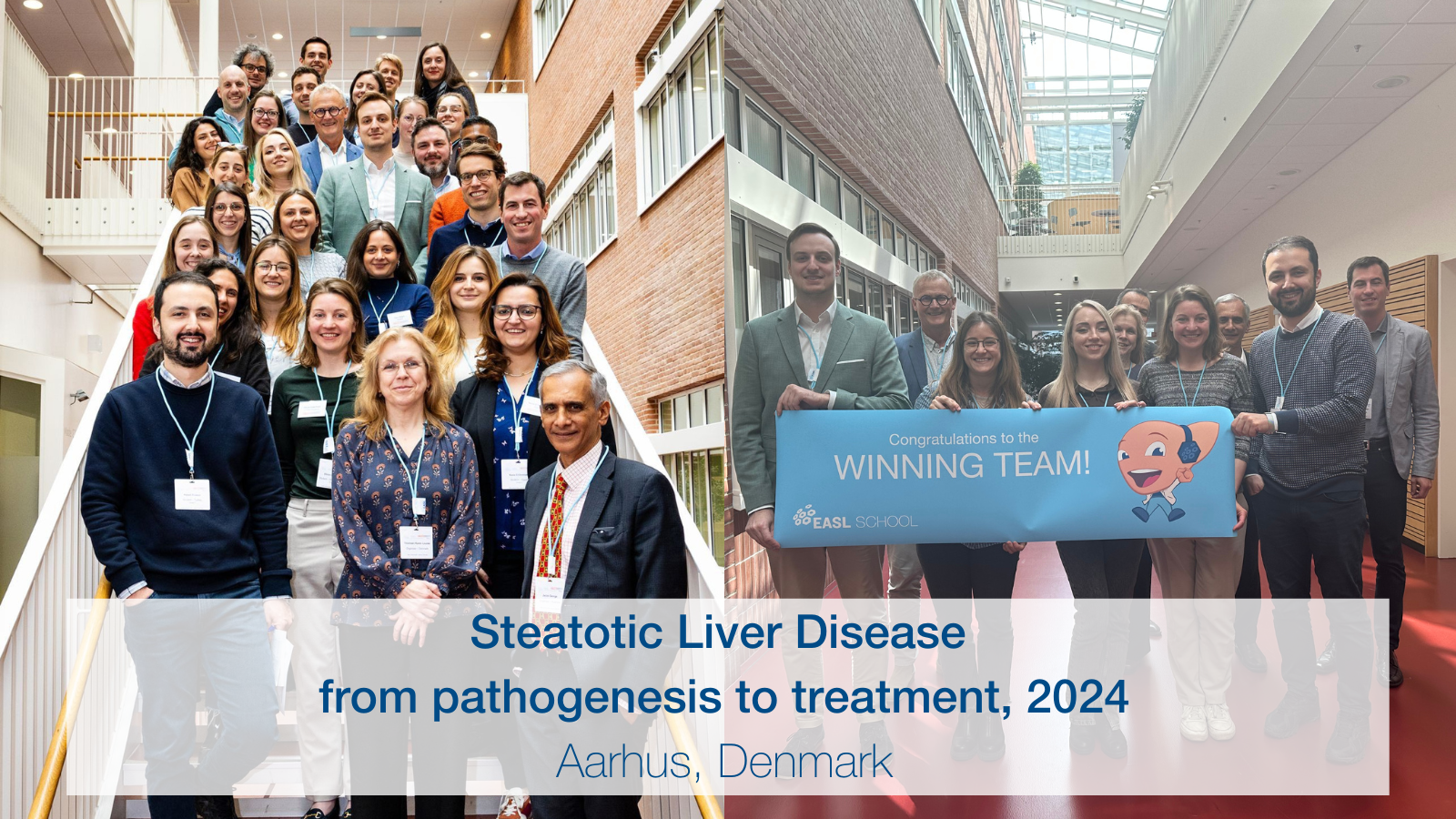
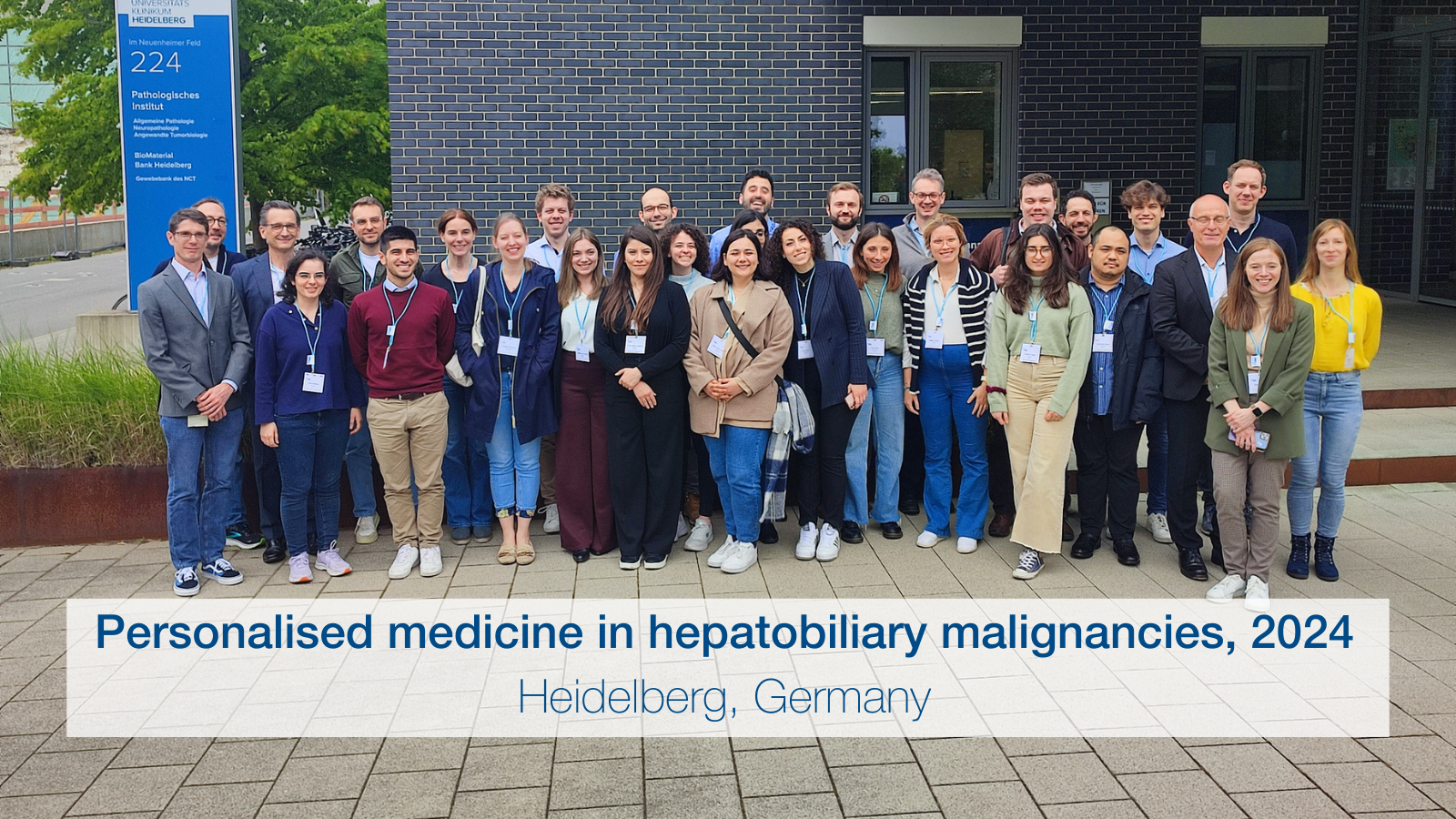
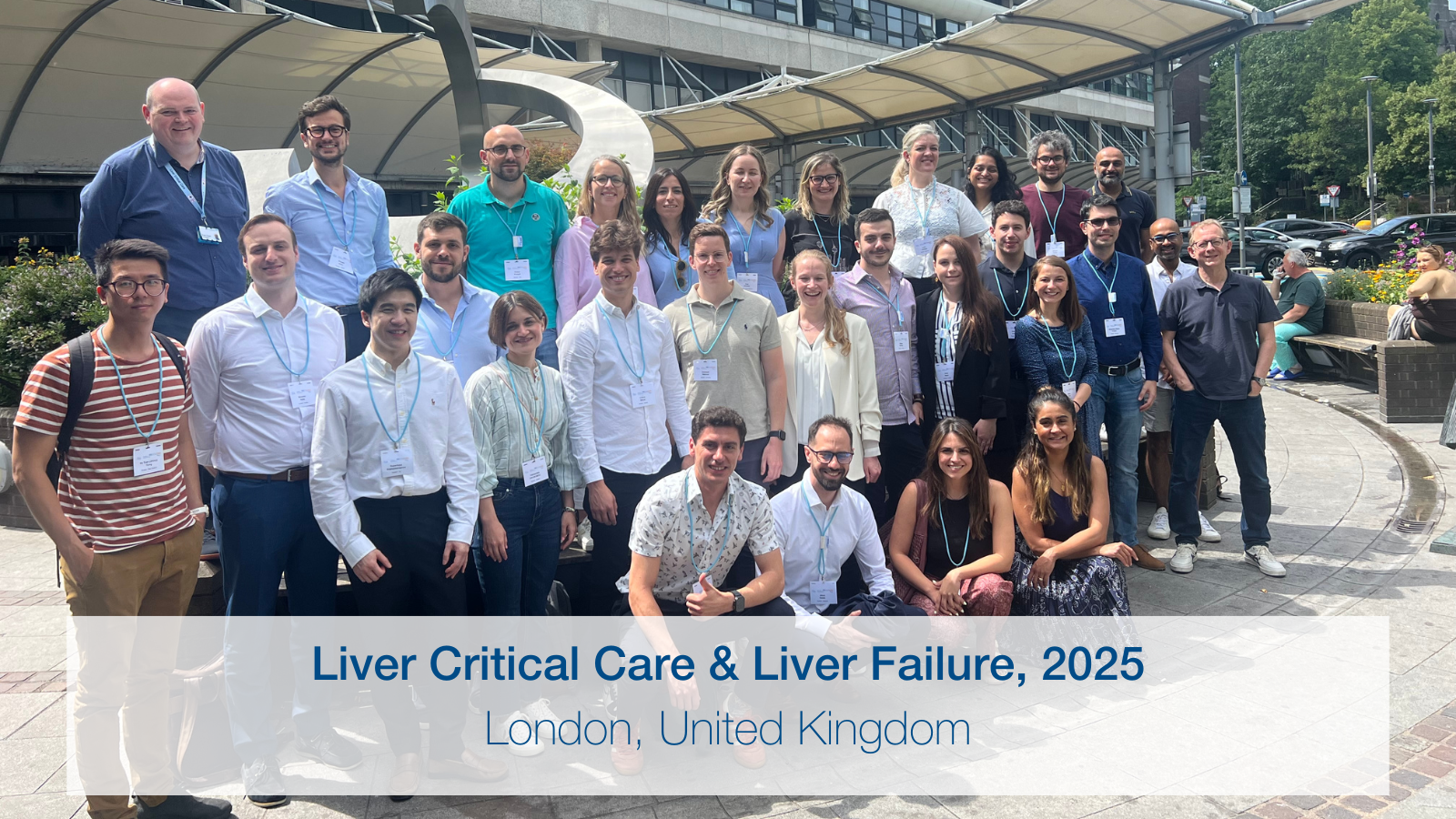
The EASL Schools help train the next generation of hepatologists and scientists. Through individual work, collaborative teamwork and discussions with faculty, students gain invaluable insight into new experimental techniques and clinical approaches.
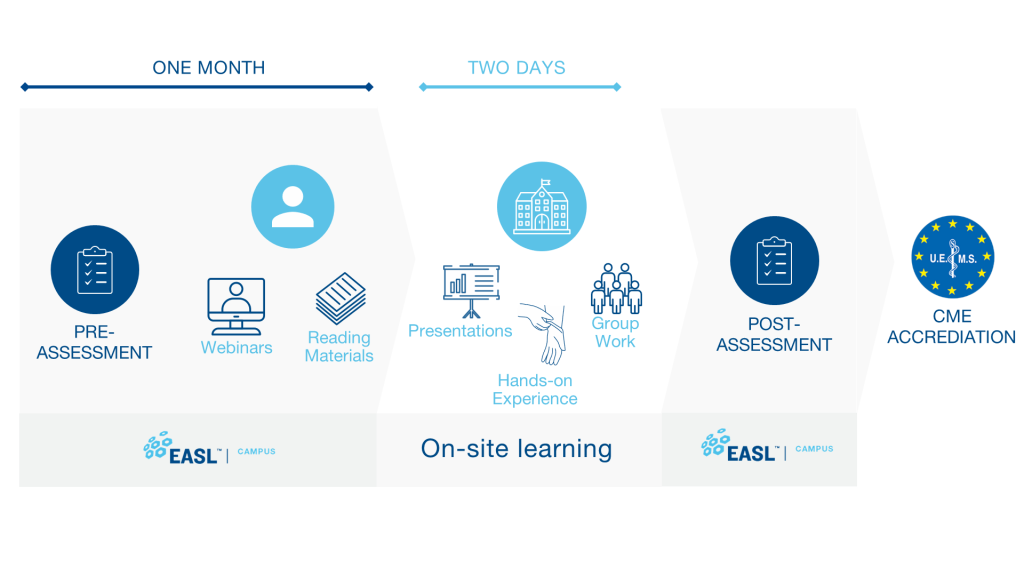
The format, designed to host 25 students, is “flipped-classroom” based, learner-centric and problem-oriented. Preparation for the onsite learning consists of online course(s) and educational materials hosted on EASL Campus and provided by the school organisers. Students are expected to take the online course(s) and complete the pre-assessments in the month preceding the start of the EASL School. Once onsite, students should work in small groups under the guidance of experienced tutors (Emphasising on teamwork and cooperation). The post-assessments and surveys are conducted on EASL Campus.
Flipped Classroom Model for Clinical Schools
Read more about the Flipped Classroom Model for Clinical Schools
Flipped Classroom Model for Basic Science Schools
Read more about the Flipped Classroom Model for Basic Science Schools
CME Accreditation:
EASL applies for accreditation from the European Accreditation Council for Continuing Medical Education (EACCME) for all its educational activities.
The EACCME is an institution of the European Union of Medical Specialists (UEMS) and EACCME credits are recognised by the American Medical Association towards the Physician’s Recognition Award (PRA).
Details of the number of CME’s accredited per event are available on the event web pages.
I want to organise an EASL School / I am an organiser
Requirements for application
- Only EASL members may apply to host an EASL School. If you are not a member yet, you can become an EASL member now.
- EASL Schools must be hosted in dedicated European centres of excellence and be able to accommodate plenary sessions and breakout groups.
- EASL Schools must be led by experts of the hosting institution (Maximum 2 external experts are allowed).
- EASL Schools programme must not exceed 2 days.
- EASL strongly recommends maintaining a minimum gender balance ratio of 70% to 30% among the faculty participating in the EASL School programme.
The proposals will be reviewed by the EASL Educational Committee. EASL will allocate a dedicated budget to the successful applications. EASL office will provide the successful applicants with the related information and guidelines.
Clinical EASL Schools
The programme must be based on the following structure:
Before the EASL School:
- Pre-assessments of the students through EASL Campus (online courses, live webinars, quizzes etc.).
- Group assignment.
Day One:
- Clinical cases study: Student groups are assigned complex clinical cases with tutors to guide them.
Day Two:
- Clinical cases presentations and selection of the winning group.
- State-of-the-art lecture by a renowned expert.
- Students’ evaluation of the school programme and format (Mandatory).
After the EASL School: Post-assessment tests and accreditation of the students through EASL Campus.
To learn more about this EASL School format, discover this year’s schools:
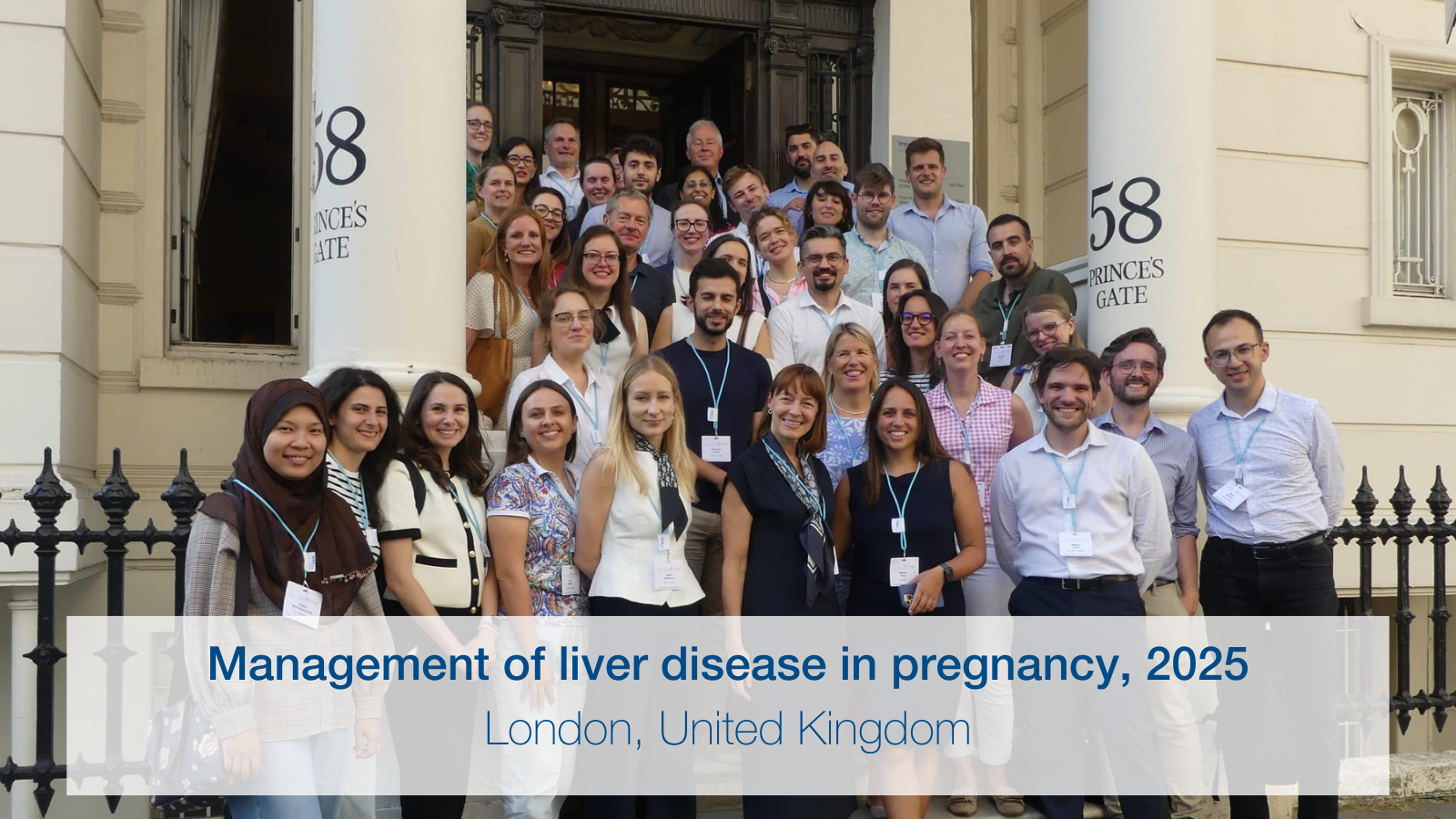
Management of liver disease in pregnancy, 20-21 June 2025, London (United Kingdom)
Liver Critical Care & Liver Failure, 20-21 June 2025, London (United Kingdom)
Basic EASL Schools
The programme must be based on the following structure:
Before the EASL School:
- Pre-assessments of the students through EASL Campus (online courses, live webinars, quizzes etc.).
- Group assignment.
Day One:
- Experimental hands-on sessions.
Day Two:
- Experimental hands-on sessions.
- State-of-the-art lecture by a renowned expert.
- Students’ evaluation of the school programme and format (Mandatory).
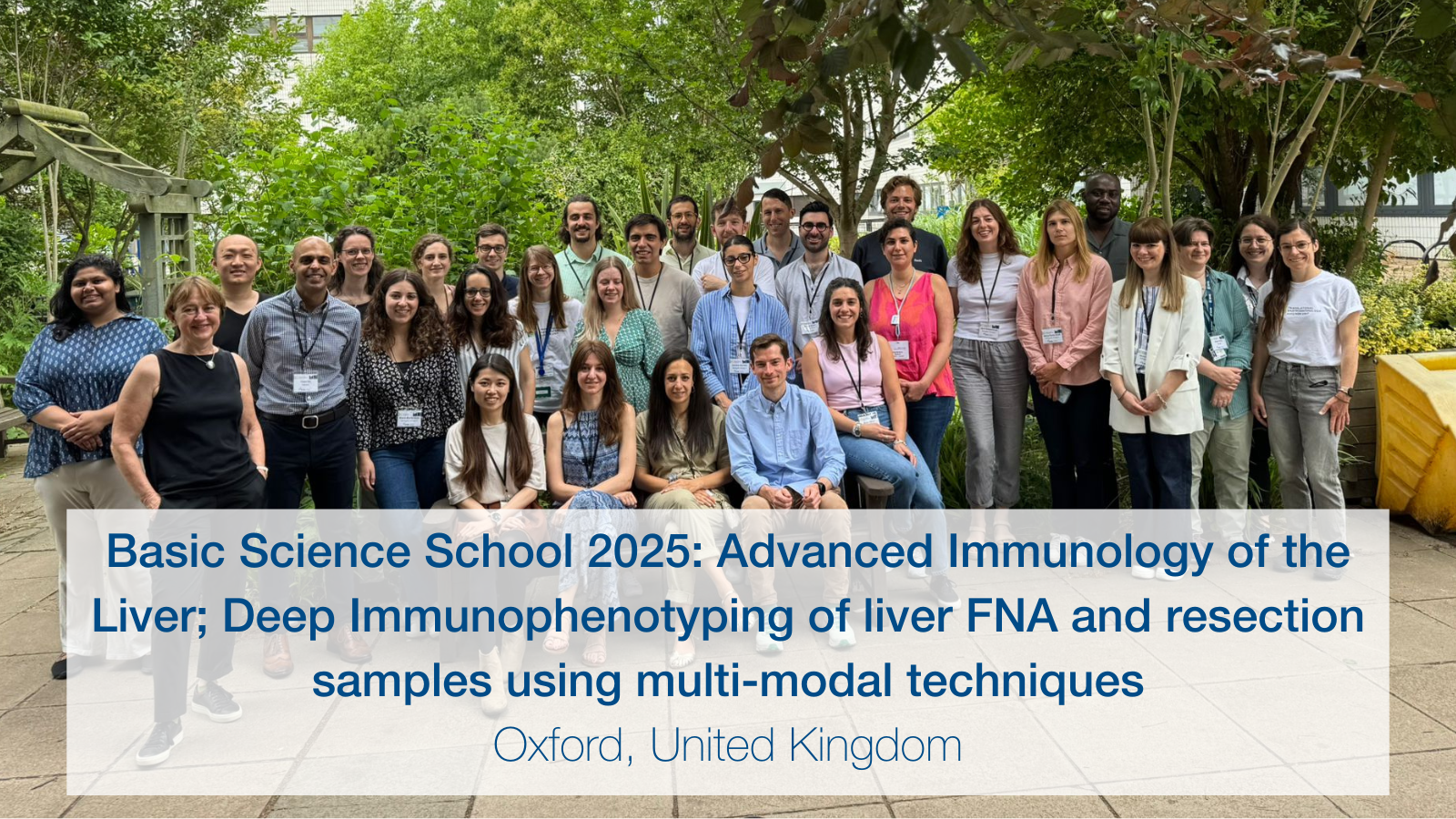
To learn more about this EASL School format, discover this year’s school Advanced Immunology of the Liver; Deep Immunophenotyping of liver FNA and resection samples using multi-modal techniques 27-28 June 2025, Oxford (United Kingdom).
I am a student
Masterclass
Selected participants will attend a two-day intensive training session with a curriculum designed for future leaders in academic hepatology. The programme consists of academic lectures, interactive break-out sessions, individual meetings with tutors, abstract presentations, a poster session, and social events to give early-stage investigators (MD, PhD, or MD/PhD, or equivalent) the opportunity to network with world leaders in hepatology.
*This year, all Masterclass applications must be submitted through the AASLD platform, and creating an AASLD account is required.