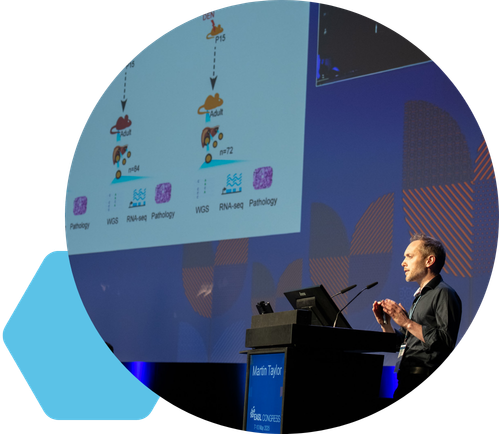
Experimental and translational sciences constitute a key foundation upon which the practice of medicine is built; EASL recognises the role of experimental and translational research in leading to breakthroughs that allow for the development of novel prevention, diagnostic and therapeutic tools for patients with liver diseases.
The EASL Experimental & Translational Task Force aims to bring relevant research findings to the whole EASL community; and to collaborate with clinicians in identifying unmet medical and clinical needs to address in basic research. The Experimental & Translational Science Task Force was created in 2022 to promote science and research within EASL. Core activities include designing dedicated experimental & translational science sessions at the EASL Congress.
Work collaboratively on the EASL scientific research agenda. Develop links with biomedical research forums, committees and societies across Europe
Develop programmes, including the Experimental & Translational Science Seminar at the EASL Congress, intended to benefit researchers working on basic and translational science, as well as the general Hepatology community
Provide a platform for scientists to network, exchange ideas, and interact with clinicians, to stimulate interdisciplinary collaboration and promote translation of scientific findings to the clinics
Work jointly with the EASL Office to attract more basic scientists to EASL
Foster growth and collaboration among young scientists, and increase their visibility, to inspire continued innovation and encourage others to join the field of Hepatology
Collaborate in strengthening liver – related scientific research across Europe
Work together to establish educational activities for basic scientists
Propose networking activities during the EASL Congress and other EASL events
Collaborate in drafting the criteria of the evaluation process of new members joining the Task Force
Advise the EASL Office on communication actions on social media and newsletters addressing activities specific to basic scientists
The EASL Emerging Leader Award is an annual award, dedicated specifically to young fellows. Every year, the EASL Governing Board and Young Investigators Task Force select two YI Awardees, based on their international liver research achievements.
EASL supports Young Investigators by helping them attend EASL meetings. We offer two types of bursaries to the presenting authors only of the best accepted abstracts who are aged 35 or younger and/or are still in training.
Unlock the full potential of being part of the EASL community. As a member, you’ll gain access to exclusive resources, reduced event fees, top-tier journals, and professional development opportunities designed to support your career in hepatology
Getting involved with EASL has been a great decision. Working within a dynamic team to help shape opportunities for members has been incredibly rewarding. I really like how EASL looks to the future but gets stuff done in the present.
Thomas Marjot, Young Investigators Task Force Member
Increased recognition worldwide for our multidimensional and complex roles as nurses will help us preserve our passion for delivering high-quality, person-centred care to people with or at risk of liver disease.
Michelle Clayton, Liver Nurse Educator
Each year, almost 300,000 people in Europe die prematurely due to problems of the liver. Many of them could have lived longer and healthier lives. Because today, in most European countries, there is good access to secondary care. In most cases, liver disease can be prevented. Prevention is the best cure that we have. So together, we need to raise more awareness of the preventable and treatable nature of many chronic illnesses.
Ursula Von der Leyen, President of the European Commission
Why a second EASL-Lancet Commission? We have seen a remarkable response to the recommendations from our first Commission report, not only within the hepatology community, but also from other health care sectors, primary care in particular, in shifting the focus towards prevention, early detection and early interventions. But work remains, particularly related to structural drivers of liver-related mortality, most markedly the fragmented landscape of alcohol policies in Europe. This second commission is dedicated to ensuring that actions continue, to maximise implementation of the changes we proposed, alongside data and grass-root indicators to measure progress in this implementation.
Tom Hemming Karlsen, Steering Committee Co-Chair of the EASL-Lancet Commission
To improve the lives of all people around Europe is the ultimate goal of all EASL activities. Embarking on a second Commission allows the liver health community to identify those problems in the field that are in most need of bold and tangible solutions.
Aleksander Krag, Former EASL Secretary General
At EASL, we are well placed to support the education of clinicians on the fundamentals and potential applications of AI. We can help foster connections between AI researchers, clinical trial developers, and policymakers, and contribute to a shared understanding of how AI might enhance patient care. By recommending validated tools in our guidelines and supporting the development of central, unbiased data repositories, we can play a constructive role in advancing trustworthy and effective AI in hepatology.