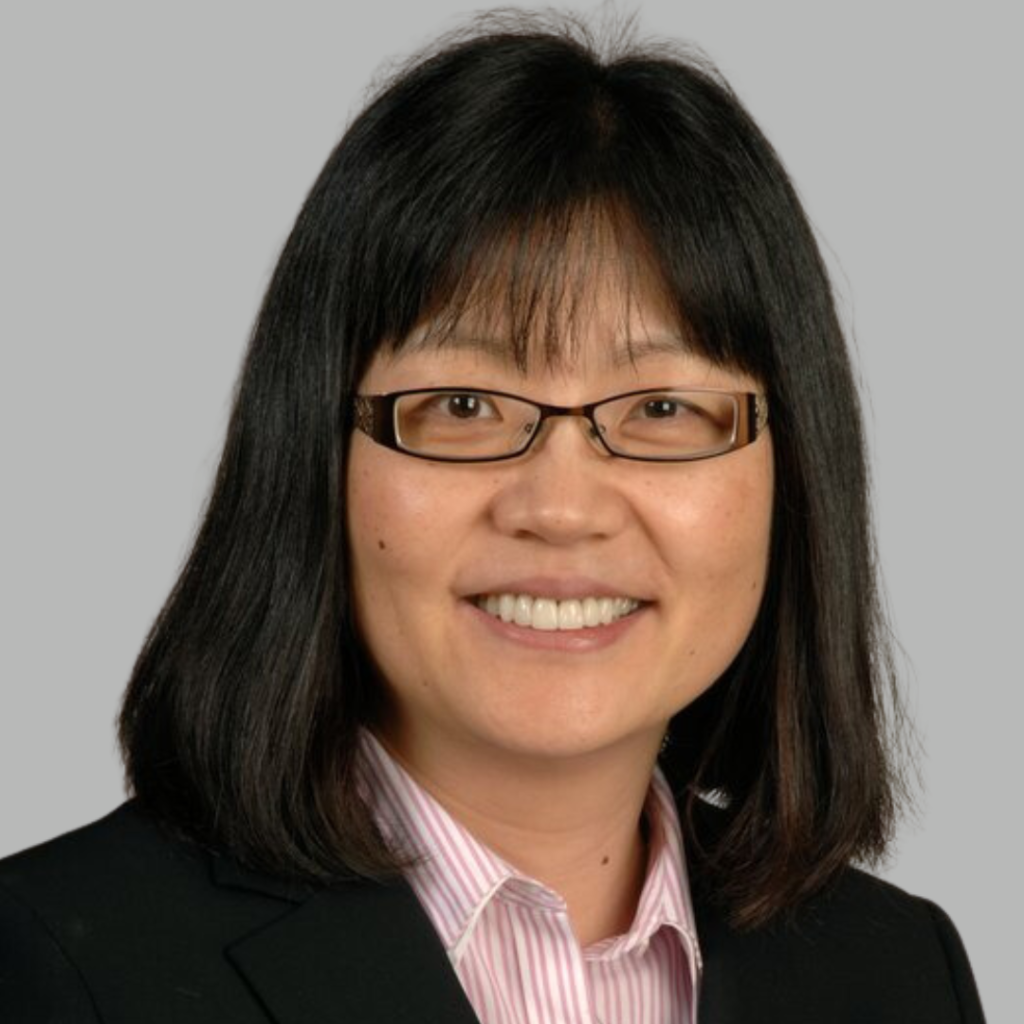
I am currently Professor and Vice Chair for Research of the Department of Anesthesiology, Critical Care and Pain Medicine at the McGovern Medical School, University of Texas Health Science Center at Houston (UTHealth). I received my PhD in drug metabolism and toxicology from the University of Toronto, Canada, followed by postdoctoral training at the National Heart Lung and Blood Institute (NHLBI). I joined the School of Pharmacy, University of Colorado as an Assistant Professor in 2002, and was promote to Associate and Full Professor in 2009 and 2015, respectively.
My research interest is understanding the cellular and molecular mechanisms of acute and chronic liver injuries. My research team has developed strong expertise in studying the role of various innate immune cells, including hepatic macrophages, neutrophils, and eosinophils, in contributing to liver injury as well as promoting tissue repair. Several of our current projects aim at understanding the hepato-protective and tissue reparative functions of eosinophils during ischemia reperfusion liver injury, which occurs often during liver transplantation, surgery, trauma and sepsis. We are also interested in understanding the adaptive responses of innate immune cells to hypoxia and the role of cell-specific hypoxia-inducible factors (HIFs) during acute liver injuries. Moreover, we are investigating how stromal immune cells influence the progression of hepatocellular carcinoma by using mouse models and target-specific monoclonal antibodies.
I have mentored more than 10 graduate students and 20 post-doctoral trainees and visiting scientists. The majority of my previous trainees are continuing their training in academic or have become principal investigators in academic institutions. I am currently a Principal Investigator of an NIH T32 grant aimed to train physician scientists in the research area of organ injury and perioperative medicine.
Changqing Ju